Address
7 Bell Yard, London, WC2A 2JR
Work Hours
Monday to Friday: 8AM - 6PM

Address
7 Bell Yard, London, WC2A 2JR
Work Hours
Monday to Friday: 8AM - 6PM


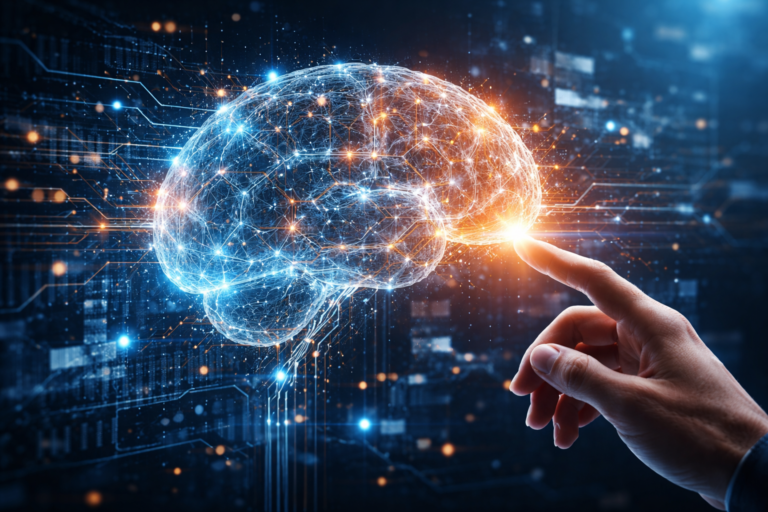
Enterprise AI means applying artificial intelligence across your entire organisation to solve real business problems. You’re talking about AI that integrates with your existing systems, processes enormous amounts of company data, and delivers measurable results at scale. This isn’t about…
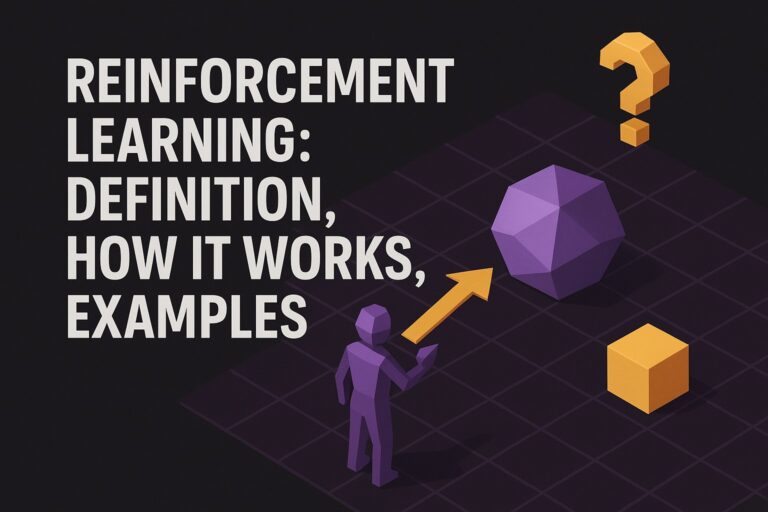
Reinforcement learning is a type of machine learning where a system learns by trying different actions and getting feedback. Think of it like training a dog. The dog tries different behaviours, gets treats for good actions, and learns what works…
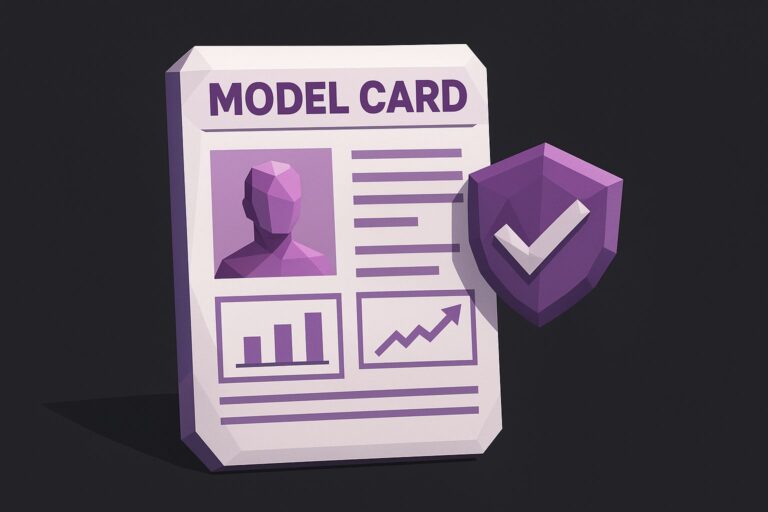
A model card is a short document that explains how a machine learning model works, what it was built for, and what its limitations are. Think of it as a nutrition label for AI. It tells you what went into…
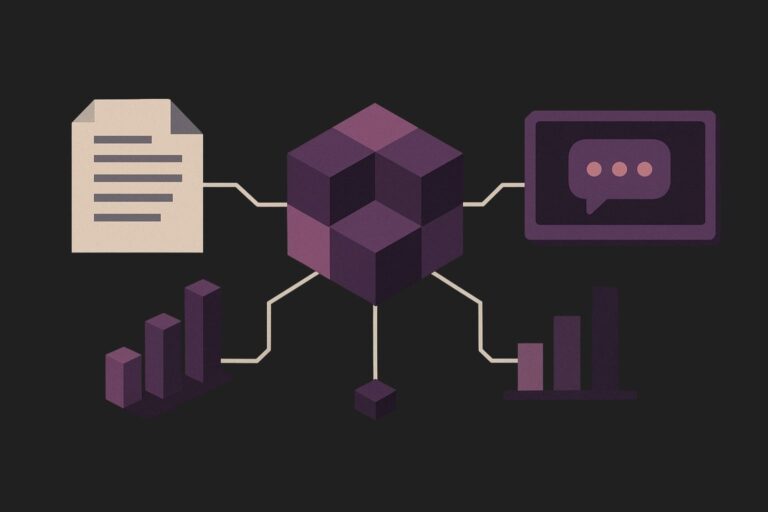
Embeddings turn text, images, and other content into arrays of numbers that capture meaning. Think of them as coordinates in a mathematical space where similar content clusters together. A sentence about databases sits near other database related content. A product…
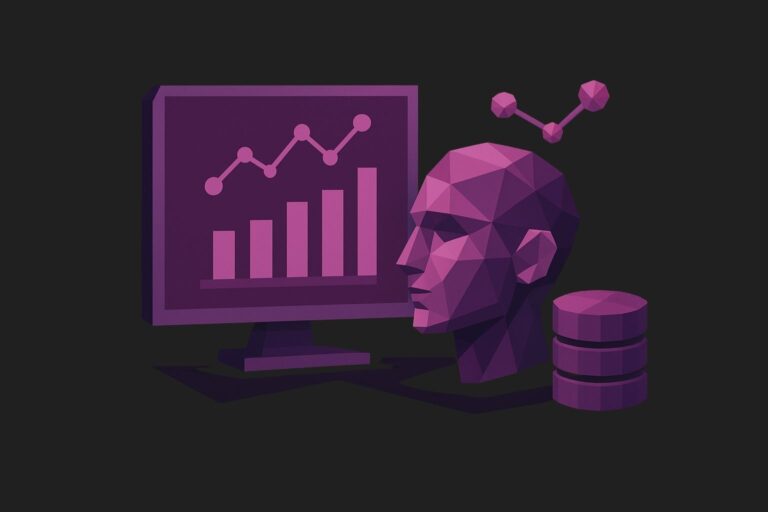
Synthetic data is artificial information generated by algorithms to mimic real data without containing any actual records from real people or events. Think of it as a statistical twin: it shares the patterns, correlations, and structure of your original dataset,…
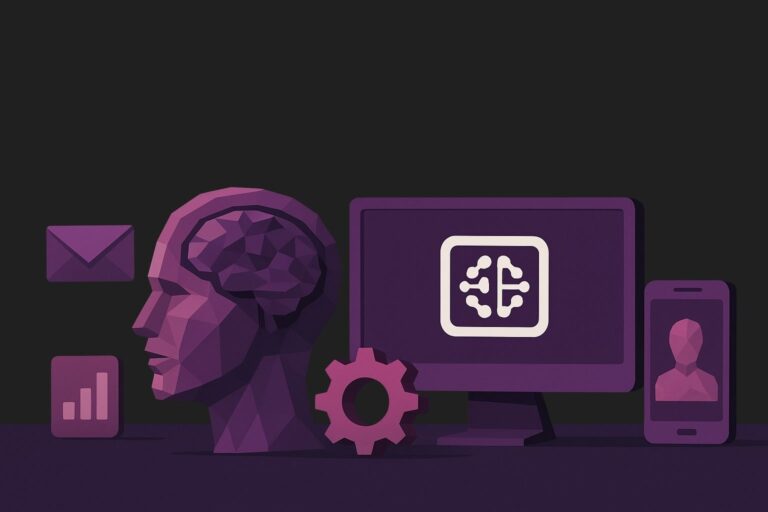
Narrow AI is artificial intelligence designed to handle specific tasks. It powers the AI applications you interact with every day, from email spam filters to streaming recommendations to voice assistants. Unlike hypothetical general AI that could match human intelligence across…
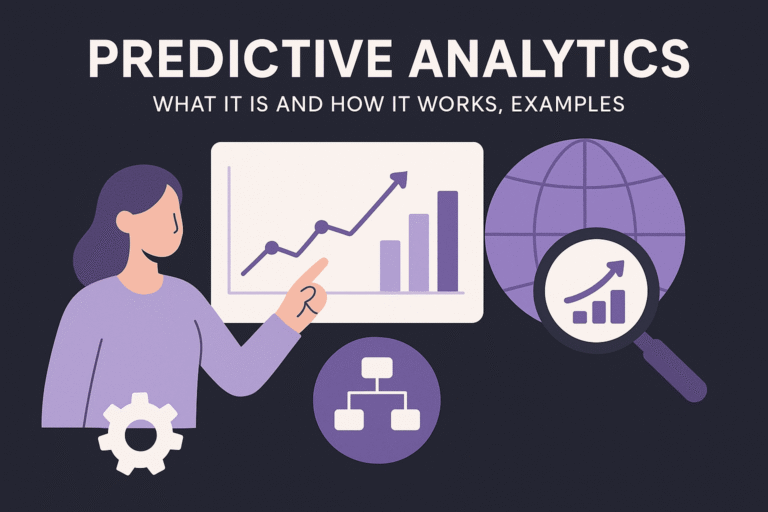
Predictive analytics uses historical data, statistical algorithms, and machine learning to forecast what might happen next. Rather than just reporting what occurred last quarter, it answers questions like “Which customers are likely to churn?” or “When will this equipment need…
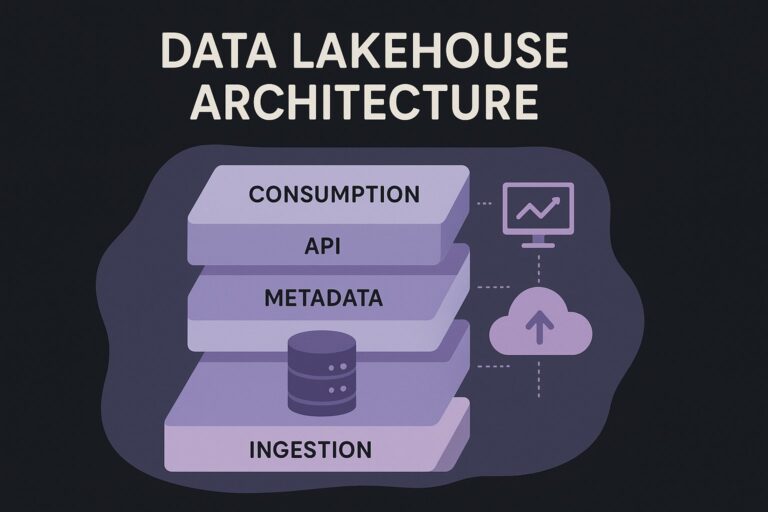
Unify your data with data lakehouse architecture. Explore its definition, core layers, and practical diagrams to gain faster insights and reduce costs.

A vector database is a system designed to store, manage, and search data that has been converted into numerical representations called vectors.
Retrieval-Augmented Generation (RAG) is an AI architecture that enhances large language models by connecting them to live data sources.